Aortoiliac Occlusive
Aortoiliac Occlusive Disease Treatment in Los Gatos, and Salinas, CA
Aortoiliac occlusive disease is a vascular condition that triggers severe symptoms and the risk of further medical complications. California Vein & Vascular Centers provides comprehensive aortoiliac disease treatment in Los Gatos, and Salinas, CA, to effectively diagnose and manage this condition.
What Is Aortoiliac Occlusive Disease?
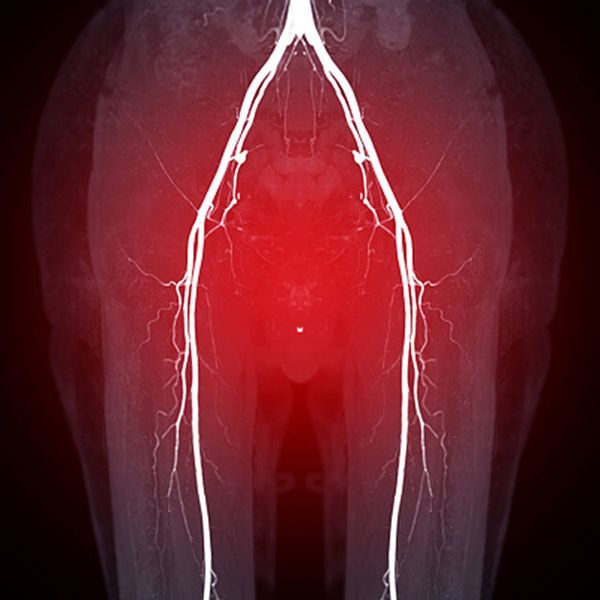
Aortoiliac occlusive disease is a form of peripheral arterial disease, also known as PAD. In contrast to PAD, which affects the blood supply in the upper body, aortoiliac disease occurs when the main arteries located in the pelvis become compromised by an obstruction or narrowing. This condition hinders blood from reaching the lower extremities.
Understanding the Development of Aortoiliac Disease
Aortoiliac disease causes narrowing that compromises the aorta and iliac arteries. These blockages cause the oxygen-rich blood supply to become restricted, limiting blood flow to the tissues in the buttocks, legs, hips, feet, reproductive system, and pelvic organs. Depending on the location and severity of the condition, patients experience varying degrees of symptoms.
Aortoiliac Disease Causes
Aortoiliac occlusive disease can develop from several sources. During a diagnostic assessment, vascular specialists evaluate a patient’s risk factors to identify the underlying cause of the condition. In many cases, it is caused by hardening of the arteries or atherosclerosis. Radiation treatments near the pelvis or vasculitis may also trigger inflammation, leading to blockages.
Aortoiliac Disease Risk Factors
Virtually anyone can develop aortoiliac occlusive disease, as atherosclerosis is not limited to a certain demographic. However, there are several risk factors that may make you more susceptible to this condition, including:
- Older individuals
- Family history of peripheral artery disease/cardiovascular disease
- Smoking and tobacco use
- Diabetes
- High cholesterol
- High blood pressure
- Takayasu’s arteritis
Common Aortoiliac Disease Symptoms
Depending on the extent and location of the condition, aortoiliac disease does not always present symptoms. Individuals who do experience symptoms often report the following:
- Pain/cramping in the legs or buttocks triggered by movement (intermittent claudication)
- Leg pain when sleeping or resting with your legs elevated
- Erectile dysfunction
Advanced Aortoiliac Disease Symptoms
As aortoiliac occlusive disease progresses, the symptoms can become more debilitating. Unmanaged or advanced aortoiliac disease symptoms may include:
- Numbness, coldness, and/or severe pain in the lower extremities
- Ulcers/sores on the lower legs, feet, or toes
- Muscular atrophy
- Tissue death known as gangrene
Identifying & Diagnosing Aortoiliac Disease
If you are experiencing aortoiliac disease symptoms, it’s imperative to schedule an assessment with a cardiovascular specialist. At California Vein & Vascular Centers, we employ a multifaceted diagnostic procedure to identify aortoiliac occlusive disease. In conjunction with a physical evaluation and symptoms review, we may conduct:
- Pulse tests
- Vascular ultrasound
- Blood pressure assessment
- Angiography
How Aortoiliac Occlusive Disease Affects the Body
The aorta begins in the heart and travels through the abdomen, branching into smaller arteries, including the Y-shaped iliac arteries near the navel. Due to the scope of the aorta, aortoiliac disease can develop in various areas. The location of development influences the severity of the obstruction, symptoms, and complications.
Who Does Aortoiliac Occlusive Disease Affect?
Aortoiliac occlusive disease is far more common than you may believe. This condition is known to affect more than six million Americans over 40. Aortoiliac disease is more common in men but can also impact women. Individuals over the age of 50 are more likely to develop this condition.
Aortoiliac Disease Prevention
To mitigate obstructions in the main arteries, you should prioritize a healthy, balanced lifestyle. At California Vein & Vascular Center, we recommend the following aortoiliac prevention strategies:
- Avoid smoking/tobacco use
- Adopt a heart-healthy diet (low salt, sugar, fat, and cholesterol)
- Maintain a healthy weight
- Manage your blood sugar, pressure, and cholesterol
- Incorporate regular exercise into your routine
Choose California Vein & Vascular Centers
California Vein & Vascular Centers are the Bay Area’s premier vascular specialists. Our board-certified surgeons are recognized as leaders in the field of vascular and endovascular health. Combining innovative diagnostic technology and a patient-centric focus, our state-of-the-art facilities are the leading source for personalized care and comprehensive aortoiliac disease treatment.
Contact Us to Discuss Your Aortoiliac Disease Treatment
If you or a loved one have recently been diagnosed with or believe to be experiencing aortoiliac disease symptoms, you’ve come to the right place. California Vein & Vascular Centers provides comprehensive aortoiliac disease treatment in Los Gatos, and Salinas, CA. Contact us today to schedule a consultation.
FAQ About Aortoiliac Occlusive Disease
What Is Aortoiliac Occlusive Disease?
Aortoiliac occlusive disease is a type of peripheral artery disease. It happens when the lower part of the aorta and the iliac arteries become narrow or blocked. These blood vessels carry blood from your heart to your legs, hips, and pelvis. When these arteries narrow, less blood reaches your lower body. The severity of the disease often depends on how much blockage is present:
- Mild Narrowing – Blood flow is slightly reduced, and symptoms may only appear during exercise or activity.
- Moderate Blockage – Blood flow drops more noticeably, causing pain or weakness during everyday movements.
- Severe or Complete Blockage – Very little blood reaches the legs, which can lead to serious complications if left untreated.
What Are the Symptoms of Aortoiliac Occlusive Disease?
Many people notice symptoms slowly over time. It’s wise to speak with one of our vascular specialists if you experience:
- Leg Pain or Cramping – This includes discomfort in the hips, thighs, or buttocks, especially while walking or climbing stairs.
- Weakness or Fatigue – Tired, heavy legs may make routine activities harder than usual.
- Numbness or Coldness – Poor blood flow can cause a cold feeling in your feet or legs.
- Erectile Dysfunction – In men, reduced blood flow to the pelvis can affect sexual function.
What Causes Aortoiliac Occlusive Disease?
Atherosclerosis is the most common cause of aortoiliac occlusive disease. This condition causes fatty deposits called plaque to build up along the walls of your arteries. Over time, the plaque will harden and narrow your vessels, limiting blood flow. Several factors can raise your risk:
- Smoking – Tobacco use is one of the strongest risk factors for aortoiliac occlusive disease.
- High Blood Pressure – Extra pressure can damage artery walls over time.
- High Cholesterol – Excess cholesterol contributes to plaque buildup.
- Diabetes – High blood sugar can damage blood vessels and accelerate their narrowing.
How Is Aortoiliac Occlusive Disease Diagnosed?
Our team uses several tools to make an accurate aortoiliac occlusive disease diagnosis. A proper evaluation helps us understand the location and severity of a blockage. The tests we use include:
- Physical Exam – Your doctor will check pulses in your legs and feet and review your symptoms.
- Ankle-Brachial Index (ABI) – This simple test compares blood pressure in your arm and ankle to measure blood flow.
- Ultrasound – Sound waves create images of your arteries to spot narrowing or blockages.
- CT or MR Angiography – These detailed scans show exactly where and how severe the blockage is.
What Treatments Are Available for Aortoiliac Occlusive Disease?
Treatment depends on how severe your condition is and your overall health. Our vascular specialists offer a full range of options, from medication to advanced aortoiliac occlusive disease surgery:
- Medications – Drugs that lower cholesterol, control blood pressure, or prevent blood clots can slow the disease.
- Angioplasty and Stenting – This is a minimally invasive procedure that opens narrowed arteries using a small balloon and, often, a stent to keep them open.
- Bypass Surgery – This surgical option reroutes blood around the blocked artery using a graft.
- Endarterectomy – The procedure removes plaque directly from the artery wall to restore blood flow.
Can Lifestyle Changes Help Manage Aortoiliac Occlusive Disease?
Yes. Healthy habits can slow the progression of the disease and support your treatment. Among possible helpful changes are:
- Quitting Smoking – Stopping tobacco use is the single most important step you can take.
- Exercising Regularly – Walking and other activities can improve circulation and reduce symptoms.
- Eating a Heart-Healthy Diet – Foods low in saturated fat and rich in vegetables support artery health.
- Managing Other Conditions – Keeping diabetes, blood pressure, and cholesterol under control protects your arteries.