Deep Venous Thrombosis
Deep Venous Thrombosis Treatment in Los Gatos, and Salinas, CA
Protect and enhance your vascular health with California Vein & Vascular Centers. If you’re navigating deep venous thrombosis, our board-certified vein and vascular specialists are here to help. Discover personalized care with our deep venous thrombosis treatment in Los Gatos, and Salinas, CA.
What Is Deep Venous Thrombosis?
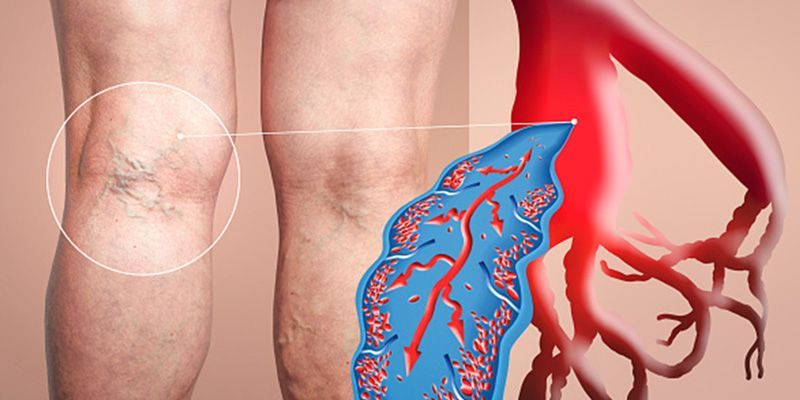
Deep venous thrombosis (DVT) refers to the formation of a blood clot in one of the body’s larger veins. DVT is typically seen in the lower legs, thighs, or pelvic veins. Once the blood clot is fully established, deep venous thrombosis facilitates the development of negative symptoms and can even become life-threatening without professional intervention.
The Importance of Addressing Deep Venous Thrombosis
Proactive deep venous thrombosis treatment is critical. The longer these clots remain within the vein, the higher the risk of complications. These clots hinder sufficient blood flow and also present the risk of becoming dislodged from the vein and traveling to the heart and lungs, causing a pulmonary embolism, which can be fatal.
Deep Venous Thrombosis Risk Factors
Deep venous thrombosis can be triggered by many factors that influence the development of a deep vein blood clot. Common risk factors associated with DVT include:
- Trauma/injuries
- Sitting for prolonged periods
- Sedentary lifestyle
- Pregnancy or recent birth
- Advanced age
- Blood disorders
- Genetic diseases
- Post-operative bedrest
- Weight problems/obesity
- Smoking and/or tobacco use
Deep Venous Thrombosis Signs & Symptoms
Deep venous thrombosis signs and symptoms are not always easily identifiable. DVT symptoms may vary but typically include:
- Swelling of the lower extremities
- Leg pain and/or cramping
- Localized warmth in one particular area of the skin
- Redness or blueish discoloration
- Decreased/loss of sensation
Deep Venous Thrombosis Diagnosis
California Vein & Vascular Centers specializes in the diagnosis and treatment of deep venous thrombosis. Our diagnostic process involves a physical assessment, a review of the patient’s medical history and symptoms, and a noninvasive vascular ultrasound. This imaging study enables us to precisely locate the clot and develop an effective course of action for deep venous thrombosis treatment.
The Role of Deep Venous Thrombosis Treatment
At California Vein & Vascular Centers, our deep venous thrombosis treatment is designed for several purposes. Our primary focus is to prevent the blood clot from growing or spreading further into the vein. We also use precautionary techniques to reduce the risk of post-thrombotic syndrome and future deep venous thrombosis formations.
Exploring Treatment Options
To preserve the integrity of the veins, we prioritize minimally invasive deep venous thrombosis treatments. These treatments may include one or a combination of the following:
- Anticoagulant medication to mitigate clotting
- Compression garments for improved blood circulation
- Mechanical thrombectomy to fully or partially remove the clot
- Angioplasty to restore blood flow
- Stent placement to keep the vein open
Prevention of Deep Venous Thrombosis
Individuals with a history of deep venous thrombosis are more likely to develop a subsequent blood clot in the future. While DVT cannot be entirely mitigated, there are several effective prevention strategies to decrease the risk, including:
- Regular exercise and daily movement
- Maintain a healthy weight
- Avoid sitting for prolonged periods
Choose California Vein & Vascular Centers
Choose award-winning care for your deep venous thrombosis treatment with California Vein & Vascular Centers. Our board-certified surgeons and extensive expertise enable us to hold a reputation as California’s premier source for vein procedures. As leaders in our field, we leverage the latest innovations to achieve the highest levels of success for our patients.
Schedule Your Deep Venous Thrombosis Treatment Consultation
Get proactive about your vein and vascular health with California Vein & Vascular Centers. Our highly trained physicians and board-certified surgeons are the trusted choice for comprehensive deep venous thrombosis treatment in Los Alto, Los Gatos, and Salinas, CA. To schedule your consultation, contact us today.
FAQ About Deep Venous Thrombosis
What Are the Common Symptoms of Deep Venous Thrombosis?
Deep venous thrombosis (DVT) happens when a blood clot forms in a deep vein, usually in the leg. Knowing the signs of deep venous thrombosis can help you get care before problems develop. Some people with DVT have no symptoms at all, but those who do may experience:
- Swelling – One leg, or sometimes an arm, may swell suddenly, often without a clear cause.
- Pain or Tenderness – Many people feel cramping or soreness that may start in the calf.
- Warmth – The skin over the clot may feel warmer than the surrounding area.
- Skin Changes – The affected area may turn red or take on a bluish tone.
What Causes Deep Venous Thrombosis?
DVT develops when blood flow slows down or when blood clots more easily than it should. Several factors can raise your risk:
- Long Periods of Inactivity – Sitting during long flights or resting after surgery can slow blood flow in your legs.
- Injury or Surgery – Damage to a vein can trigger a clot to form.
- Medical Conditions – Cancer, heart disease, and inherited clotting disorders can increase your risk.
- Hormones – Birth control pills, hormone therapy, and pregnancy can make clots more likely.
- Varicose Veins – While varicose veins and deep venous thrombosis are different conditions, severe vein problems can affect circulation and raise concern.
How Is Deep Venous Thrombosis Diagnosed?
Getting a clear diagnosis early allows us to build a treatment plan that fits your needs. Our team uses proven methods to diagnose DVT:
- Ultrasound – This painless imaging test is the most common way to spot a clot in a deep vein.
- D-Dimer Blood Test – This test measures a substance in the blood that rises when a clot breaks down.
- Physical Exam – A physician reviews your symptoms, health history, and risk factors.
How Do You Treat Deep Venous Thrombosis?
The goal of treatment of deep venous thrombosis is to stop the clot from growing and prevent it from breaking loose. Common options include:
- Blood Thinners – These medications, also called anticoagulants, are the most common treatment. They keep clots from getting bigger.
- Compression Stockings – These snug stockings help reduce swelling and lower the risk of new clots.
- Clot-Dissolving Medication – In serious cases, we may prescribe drugs that break up the clot.
- Minimally Invasive Procedures – For certain patients, advanced techniques can remove a clot or place a filter to catch it.
Can Deep Venous Thrombosis Cause Serious Complications?
Yes. If left untreated, DVT can lead to health problems that go beyond the leg. Prompt care greatly lowers the risk of these complications:
- Pulmonary Embolism – A clot can break off and travel to the lungs, which is a medical emergency.
- Post-Thrombotic Syndrome – Long-term swelling, pain, and skin changes may occur after a clot.
- Chronic Vein Damage – Clots can harm the valves inside your veins, affecting circulation over time.
When Should I See a Doctor for Possible DVT Symptoms?
You should contact a physician immediately if you notice swelling, pain, warmth, or color changes in one leg. But seek emergency care if you have chest pain, shortness of breath, or a rapid heartbeat, since these may signal a clot in the lungs. Our skilled teams at California Vein & Vascular Centers in Salinas and Los Gatos can help evaluate your symptoms, explain your options, and provide expert care.