
Ambulatory Phlebectomy
Varicose Veins Ambulatory Phlebectomy Procedure
If you suffer from superficial or troublesome varicose veins, California Vein & Vascular Centers provides ambulatory phlebectomies throughout Los Gatos, CA and the surrounding areas, including Los Gatos, Salinas, and more. We offer treatment for a wide range of vein disorders. The varicose veins treatment options we offer, including varicose veins ambulatory phlebectomy, varicose veins surgery, and varicose veins removal, can be customized to your unique needs.
What is Ambulatory Phlebectomy?
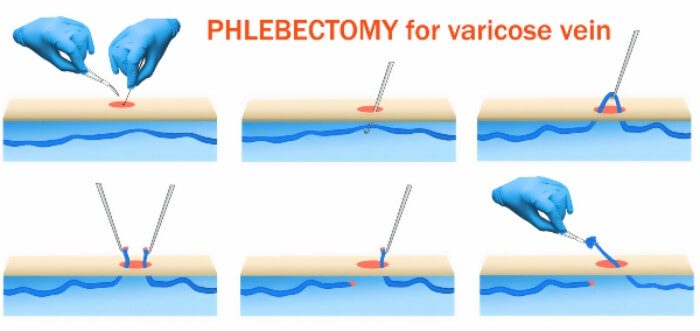
Ambulatory phlebectomy is a medical procedure used to remove superficial veins, such as varicose veins. This outpatient procedure removes troublesome veins through small, slit-like incisions in the skin. Occasionally, a vein can be removed in a single procedure, but sometimes multiple are needed.
Why is an Ambulatory Phlebectomy Performed?
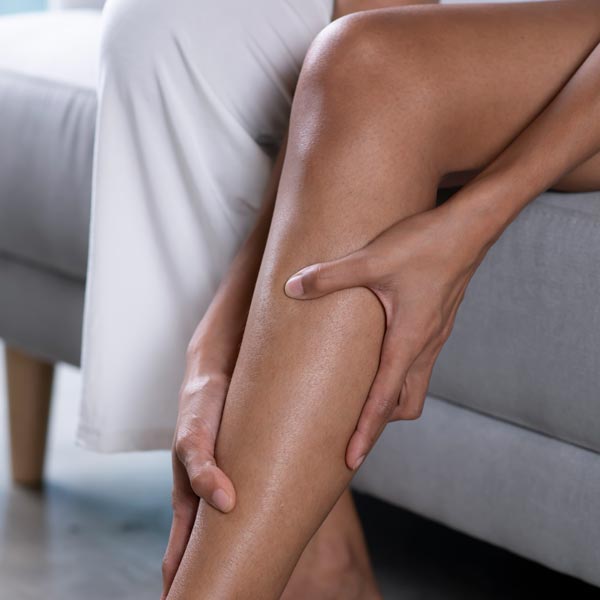
An ambulatory phlebectomy is performed on patients with bumpy veins that elevate the skin and superficial or troublesome varicose veins near the skin’s surface. This procedure is often performed in conjunction with other types of vein treatment, including ligation, stripping, laser, and radiofrequency. With an ambulatory phlebectomy, patients won’t require any stitches.
The Risks of Ambulatory Phlebectomy
Like any medical procedure, an ambulatory phlebectomy comes with risks. The most common risks of undergoing an ambulatory phlebectomy include the following:
- Bruising
- Swelling
- Inflammation
- Hyperpigmentation
What Happens During an Ambulatory Phlebectomy Procedure?
During an ambulatory phlebectomy procedure, your vein specialist will first identify the veins needing treatment. This will help ensure the preserved health of the surrounding veins and tissue, as well as a precise removal of the veins requiring treatment. During this procedure, a patient’s varicose veins will be removed through multiple small incisions in the overlying skin. A surgical hook will then be inserted to extract the damaged veins section-by-section. On average, the procedure can last anywhere from 45 to 60 minutes. An ambulatory phlebectomy is performed with a local anesthetic and doesn’t cause pain.
Ambulatory Phlebectomy Aftercare
After your ambulatory phlebectomy procedure, you will be able to return to your regular daily activities immediately. We encourage our patients to remain active while avoiding vigorous exercise such as heavy lifting. It is common for patients to experience temporary bruising and swelling after treatment, but the pain is usually minimal if the compression socks are worn as instructed. For one week following the procedure, we advise our patients to avoid hot baths, whirlpools or saunas, and aerobic activity.
Serving in the following Locations
• Los Gatos: San Jose, Campbell, Saratoga, Santa Clara Valley, Silicon Valley, the South Bay, the Bay Area, and Santa Clara County.
• Salinas: Monterey County, Hollister, Prunedale, Monterey, Pacific Grove, Watsonville, Seaside, Carmel-By-The-Sea, Carmel
Contact Us Today to Schedule a Consultation
Patients trust the professionals at California Vein & Vascular Centers to help them find relief from leg swelling, varicose veins, spider veins, and numerous other vascular disorders. For years, Dr. Hardeep S. Ahluwalia and the rest of our expert team have provided patients throughout Los Gatos, and Salinas with top-tier vein treatment options and patient care. With four locations throughout the South Bay area, patients can choose the most convenient facility. Contact us today to learn more or to schedule a consultation with us at any of our four offices.
FAQs About Ambulatory Phlebectomy
California Vein & Vascular Centers helps patients improve their vein health and appearance with ambulatory phlebectomy in Los Gatos, CA, and Salinas, CA. Varicose veins can cause discomfort, swelling, heaviness, and visible bulging veins, affecting daily activities. An ambulatory phlebectomy procedure offers an effective solution for removing superficial varicose veins through small skin openings without the need for stitches. The following frequently asked questions provide helpful information on the ambulatory phlebectomy procedure, recovery, candidates, risks, and effectiveness.
An ambulatory phlebectomy procedure typically takes about 45 to 60 minutes, depending on the number and length of veins being treated. The process begins with marking the varicose veins while you’re standing, which helps the surgeon see which segments bulge under gravity. After cleaning and numbing the area, your surgeon makes several tiny incisions and removes the vein in short sections, often through openings just a few millimeters wide. Then the area is bandaged with a compression dressing or stocking rather than with stitches.
Recovery from an ambulatory phlebectomy procedure is generally straightforward and allows patients to resume many normal activities quickly. Here’s an overview of what to expect:
- Returning to Daily Activities—Most patients can resume routine activities immediately after treatment. Walking and light movement can support healthy circulation.
- Compression Garments—Compression stockings help reduce swelling and support the healing process. Following compression instructions can improve comfort during recovery.
- Temporary Side Effects—Mild bruising and swelling may occur in the treated areas. These effects typically improve as the body heals.
Many individuals with visible and symptomatic varicose veins may benefit from this treatment. Here’s who makes a good candidate for ambulatory phlebectomy surgery:
- Superficial Varicose Veins—Patients with bulging veins located close to the skin’s surface are often excellent candidates. The procedure aims to effectively remove these visible veins.
- Vein-Related Symptoms—People experiencing aching, heaviness, swelling, or discomfort associated with varicose veins may find relief through the ambulatory phlebectomy technique.
- Combined Treatment Plans—It’s possible to combine ambulatory phlebectomy surgery with laser treatment, radiofrequency ablation (RFA), ligation, or vein stripping.
Like all medical procedures, ambulatory phlebectomy for varicose veins carries some risks, though complications are generally uncommon. Here are the possible risks associated with the procedure:
- Bruising and Swelling—Temporary bruising and swelling are among the most frequently reported side effects. These symptoms typically improve during recovery.
- Inflammation—Mild inflammation may develop around the treated area. Following aftercare instructions supports proper healing.
- Skin Discoloration—Some patients experience temporary hyperpigmentation near treatment sites. Skin appearance often improves over time.
Ambulatory phlebectomy effectively removes the treated varicose veins and can provide immediate symptom relief and cosmetic improvement. Because the problem segments are usually taken out through the skin, they can’t return. Most patients see a flatter, smoother leg contour once bruising fades. Many people report less aching, throbbing, and heaviness in the treated leg, especially when combined with treatment of any underlying refluxing trunk veins. While new varicose veins can develop in other areas, careful mapping, proper compression use after the procedure, and follow-up visits help maintain results and support long-term vein health.