
Vein Facts & How Sclerotherapy Can Help
Vein Health Basics and Sclerotherapy Treatment
Veins play a crucial role in our overall health. Yet, most of us don’t think about them until something goes wrong—specifically, when they become visible, painful, or unsightly. If you’ve noticed purple webs or bulging cords on your legs, you aren’t alone, and treatment is possible. Sometimes lifestyle changes can help reduce the appearance of varicose veins, but in other instances, a sclerotherapy procedure might be more effective. Ready to take vein health into your own hands? Learn more about common vein conditions and how you can address them.
The Difference Between Spider and Varicose Veins
Spider veins and varicose veins are some of the most prevalent vascular conditions. While they’re often discussed together, they aren’t exactly the same. Let’s look at a quick overview of each:
Spider Veins
Spider veins are small, thin blood vessels visible just beneath the skin. They often look like spider webs or tree branches and are typically red, blue, or purple. While they can appear anywhere, they are most common on the face and legs. Spider veins generally do not bulge and are rarely painful, though they can sometimes cause itching or burning.
Varicose Veins
Varicose veins are larger, swollen, and twisted veins that usually appear blue or dark purple. They bulge out from the surface of the skin and often look like cords. Unlike spider veins, varicose veins can cause significant physical symptoms, including:
- Aching or heavy feelings in the legs
- Throbbing, burning, or muscle cramping
- Swelling in the lower legs
- Pain that worsens after sitting or standing for a long time
What Causes Spider and Varicose Veins?
Vein issues occur when the valves inside your veins weaken or become damaged. Healthy veins have one-way valves that keep blood flowing toward the heart. If these valves fail, blood can flow backward and pool in the vein, causing it to stretch and enlarge. If you have any of these risk factors, you may be more likely to develop varicose veins in your lifetime:
- A family history of vein issues
- Pregnancy
- A job that requires you to sit or stand for long periods of time
- Excess weight or obesity
What Is Sclerotherapy?
In situations where lifestyle changes don’t improve the look of varicose veins, sclerotherapy treatment is often the next best thing. This minimally invasive procedure eliminates damaged veins, relieving both pain and cosmetic concerns. Let’s take a closer look at the sclerotherapy procedure:
How Sclerotherapy Works
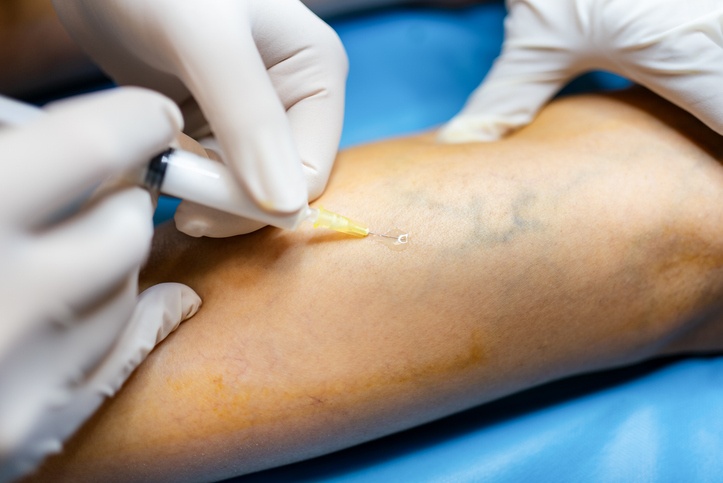
Sclerotherapy for varicose veins is usually straightforward. Your doctor will inject a chemical solution into the affected vein, which then causes the blood vessel to collapse. Over time, the body naturally absorbs the collapsed vein, and blood flow reroutes to healthier vessels. The damaged vein eventually fades away, leaving behind clearer skin. The best part? Sclerotherapy can often be completed in less than an hour with no anesthesia.
The Benefits of Sclerotherapy
Whether you get sclerotherapy for spider veins or varicose veins, you’re likely to see several benefits. While every case is different, patients frequently enjoy these advantages:
- High Success Rate—Sclerotherapy is highly effective, with studies showing that it eliminates 50% to 80% of treated veins per session.
- Minimally Invasive—No surgery needed—that means no incisions or stitches to worry about after the fact.
- Quick Recovery—Most patients can resume normal activities immediately after the procedure. Walking is actually encouraged to help with circulation.
- Improved Symptoms—Beyond the cosmetic benefits, sclerotherapy can relieve the aching, swelling, and cramps associated with varicose veins.
- Permanent Results for Treated Veins—Once a specific vein is treated and absorbed by the body, it will not reappear. However, new veins can form over time, so be sure to meet with your doctor occasionally to discuss any new concerns.
Say Goodbye to Varicose and Spider Veins
Varicose veins are common with age, but that doesn’t mean you have to live with them for the rest of your life. When you understand the causes and sclerotherapy treatment, you’re in a much better position to find relief. At California Vein & Vascular Centers, we can help you find the best approach to treating your vein condition. Contact us today to meet with a specialist.
Alcohol and Vein Health: How Drinking Affects Circulation
For many, a glass of wine with dinner or a beer at a weekend barbecue is a standard way to…
What Happens If I Don’t Treat My Varicose Veins?
Most people see varicose veins as just a cosmetic issue. Those twisted, bulging veins on your…