
What Are the Treatment Options for Varicose Veins in California
Varicose veins are more than a cosmetic concern. For many people, they cause aching, swelling, and heaviness that make everyday tasks harder. The good news is that today’s treatment options are safer and more effective than ever. Our board-certified vein specialists at California Vein & Vascular Centers use advanced technology to diagnose and treat varicose veins. A professional evaluation is the first step. It helps our team understand what’s happening beneath the surface and create a plan that fits your needs.
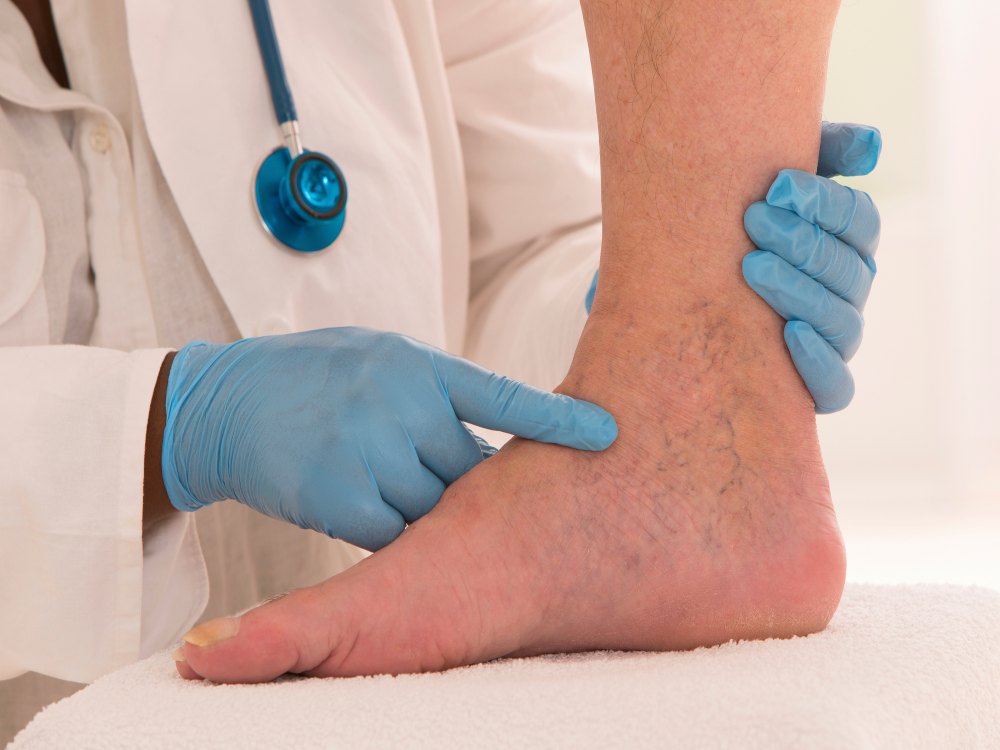
When Should Varicose Veins Be Treated?
Not every varicose vein needs immediate treatment, but these signs often suggest it’s time to see a specialist to prevent complications:
- Persistent Pain or Aching – If your legs feel sore or heavy after prolonged standing or sitting, treatment may help relieve the pain.
- Swelling or Skin Changes – Discoloration, dryness, or thickening of the skin near the ankles may indicate poor circulation.
- Bleeding or Ulcers – Veins close to the skin can bleed easily or lead to open sores that heal slowly.
- Worsening Appearance – Veins that grow larger or spread over time often signal a deeper vein problem.
Conservative Treatment Options for Varicose Veins
Our specialists often recommend simple, non-surgical steps first. These conservative options can ease symptoms and slow the progression of vein disease:
- Compression Stockings – These snug garments improve blood flow and reduce swelling by gently squeezing the legs.
- Exercise – Walking and other low-impact activities strengthen the muscles that help push blood back toward the heart.
- Leg Elevation – Raising your legs several times a day lowers pressure in the veins and eases discomfort.
- Weight Management – Maintaining a healthy weight reduces strain on your veins and improves overall circulation.
Minimally Invasive Treatments for Varicose Veins
When conservative care isn’t enough, these minimally invasive treatments offer excellent results with little downtime:
- Endovenous Laser Treatment – This varicose vein laser treatment uses heat from a laser to seal off the damaged vein. Blood then reroutes to nearby healthy veins.
- Radiofrequency Ablation – Similar to laser treatment, this method uses radiofrequency energy to close problem veins.
- Sclerotherapy – We inject a special solution into the vein, causing it to collapse and fade over time.
Common Procedures Used to Treat Varicose Veins
Our specialists tailor each treatment plan to individual patients, choosing a procedure based on the size, location, and severity of their veins. Some of the most common procedures we use are:
- Endovenous Ablation – This is a minimally invasive option that closes larger veins using laser or radiofrequency energy.
- Ultrasound-Guided Sclerotherapy – This technique uses imaging to guide precise injections, making it ideal for deeper veins.
- Ambulatory Phlebectomy – Small surface veins are removed through tiny punctures in the skin, leaving little to no scarring.
How to Choose the Right Varicose Vein Treatment
The right choice of varicose vein treatment balances your comfort, health, and desired results. Our specialists will consider the following before recommending a plan:
- Severity of Symptoms – Mild discomfort may respond well to conservative care, while severe cases often need procedures.
- Vein Size and Location – Larger or deeper veins usually require laser or radiofrequency treatments.
- Overall Health – Your medical history helps determine which treatments are safest for you.
- Personal Goals – Some patients want relief from pain, while others focus on appearance. Many want both.
FAQ About Varicose Vein Treatments
What’s the Most Effective Treatment for Varicose Veins?
Endovenous laser treatment and radiofrequency ablation are among the most effective options. Both close damaged veins with minimal discomfort and offer long-lasting results. The best choice depends on your condition, which our specialists can determine during an evaluation.
Can Varicose Veins Go Away Without Treatment?
Varicose veins rarely disappear on their own. While lifestyle changes can ease symptoms, they won’t remove existing veins.
How Much Does Varicose Vein Treatment Cost?
The cost of varicose vein treatment varies based on the procedure and its complexity. But the good news is that insurance covers many treatments when they’re medically necessary. Our team can review your options and help you understand potential costs before you begin.
How Long Does It Take to Recover From Varicose Vein Treatment?
Recovery is usually quick. Most patients resume normal activities the same day after minimally invasive procedures. Mild bruising or swelling may last a few days, however. Knowing what to expect after varicose vein treatment helps you plan and heal comfortably.
Contact California Vein & Vascular Centers for Varicose Vein Treatment Today
Rely on California Vein & Vascular Centers for varicose vein treatment in Los Gatos and Salinas, CA. Our team delivers lasting results, so contact us today.
How to Prevent Varicose Veins While Losing Weight
Losing excess weight is one of the best things you can do for your overall health. Getting down to…

When it come to vascular problems in the legs, fit athletes are not typically the first people that come to mind. However, due to the extreme…