
Can Varicose Veins Cause Knee Pain?
Many patients experiencing localized discomfort often assume their joint health is the primary culprit. Vascular health actually plays a critical role in lower extremity comfort. Understanding the relationship between your circulatory system and musculoskeletal comfort is the first step toward finding lasting relief and restoring your mobility. California Vein & Vascular Centers explores the connection between varicose veins and knee pain. Learn more today.
What Are Varicose Veins and How Do They Develop?
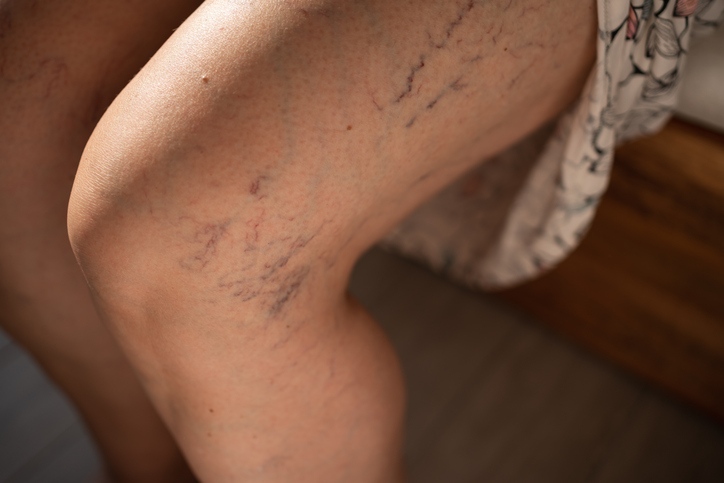
To understand the source of your discomfort, it is essential to define varicose veins. Varicose veins are enlarged, twisted veins that most commonly appear in the legs. They develop when the tiny, one-way valves inside the veins weaken or fail. Normally, these valves ensure that blood flows upward toward the heart. When they malfunction, blood begins to pool in the lower extremities. This process, known as venous reflux, increases pressure within the vessel walls, causing them to bulge and become visible beneath the skin.
The Connection: Can Varicose Veins Cause Knee Pain?
It is a common clinical observation that varicose veins can cause knee pain by increasing tissue pressure around the joint. When blood pools near the back or sides of the knee, it can lead to significant inflammation and a sensation of heaviness. This discomfort is often described as a dull ache or a “throbbing” sensation that intensifies after prolonged standing or sitting. Because the veins are in close proximity to the nerves and ligaments of the knee, the swelling associated with venous disease can easily be mistaken for traditional orthopedic issues.
Conditions That Can Mimic Varicose Veins Knee Pain
Distinguishing between vascular issues and joint degradation is vital for proper treatment. Conditions such as osteoarthritis, meniscus tears, or bursitis often mimic the symptoms of vein-related pain. While orthopedic pain is typically sharp and triggered by specific movements, vein-related pain is usually more generalized and accompanied by a feeling of fatigue in the limb. If you are unsure of the source of your discomfort, a vascular ultrasound can provide a definitive look at your blood flow.
Symptoms That May Indicate Vein-Related Pain
Recognizing the signs of vein-related pain early can help you implement strategies on how to prevent varicose veins from progressing, such as using compression therapy or increasing physical activity. If you are wondering if your discomfort is circulatory, look for these specific indicators:
- Swelling (Edema): Swelling that worsens toward the end of the day.
- Skin Changes: Discoloration or itching around the knee or calf.
- Heaviness: A persistent feeling that your legs are weighted down.
- Night Cramps: Frequent “charley horses” or restless sensations at night.
Common Misconceptions About Joint and Vein Pain
A prevailing myth is that if there are no visible “spider veins,” the pain cannot be vascular. In reality, deep-seated varicose veins can exist without being visible on the surface. Another misconception is that knee pain is an inevitable part of aging. By addressing what causes varicose veins, such as genetics, prolonged inactivity, or obesity, patients can often eliminate “joint” pain that they previously thought was permanent. Understanding minimally invasive vein treatments can clarify how simple it is to resolve these issues.
Advanced Treatment Modalities for Lasting Relief
If symptoms of venous insufficiency or painful varicose veins are impacting your daily functionality, several clinically proven interventions can effectively manage your condition. Our practice prioritizes a tiered approach to care, beginning with conservative lifestyle modifications such as the consistent use of medical-grade compression garments, targeted physical activity to enhance the calf muscle pump, and strategic leg elevation.
For patients requiring more definitive correction, we offer minimally invasive medical procedures including sclerotherapy, vein stripping, VenaSeal, or other innovative treatments. These modern techniques utilize precise thermal or chemical energy to seal problematic veins, redirecting blood flow to healthier vessels and significantly reducing discomfort with minimal downtime.
Schedule Your Professional Consultation
You do not have to live with persistent leg heaviness or mysterious knee discomfort. Our California Vein & Vascular Centers clinical team is dedicated to providing an accurate diagnosis and a personalized treatment plan to restore your vascular health and improve your quality of life. If you suspect your knee pain is linked to your circulation, we invite you to contact us today for a comprehensive consultation and take the first step toward pain-free movement.