
PVD vs. PAD: What’s the Difference and Why It Matters
Understanding your vascular health is the first step toward maintaining long-term mobility and wellness. Many patients use the terms Peripheral Vascular Disease (PVD) and Peripheral Artery Disease (PAD) interchangeably, but while they are closely related, they represent different scopes of vascular health. Navigating these diagnoses can feel overwhelming, but our team is here to provide professional guidance and access to modern medical advancements. California Vein & Vascular Centers explains the differences between PVD and PAD. Learn more.
What is Peripheral Vascular Disease (PVD)?
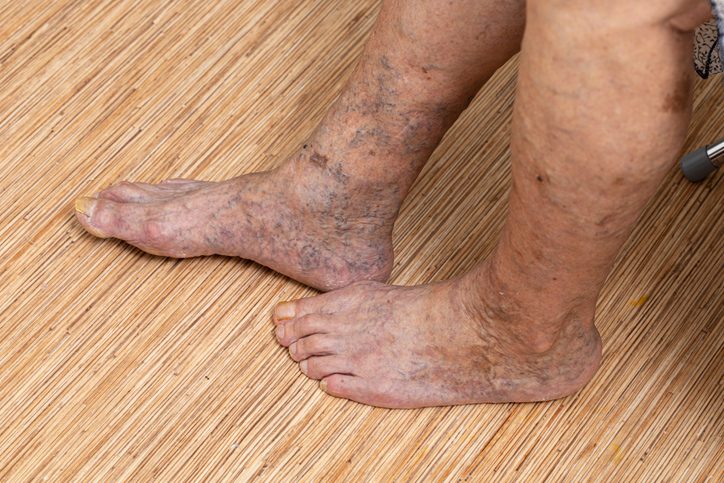
Peripheral Vascular Disease describes any condition affecting the circulatory system outside of the heart and brain. This includes disorders that impact arteries, veins, and the lymphatic system. When you are diagnosed with PVD, it means there is a functional or structural disturbance in your vessels that interferes with the efficient flow of blood throughout your extremities.
What is Peripheral Artery Disease (PAD)?
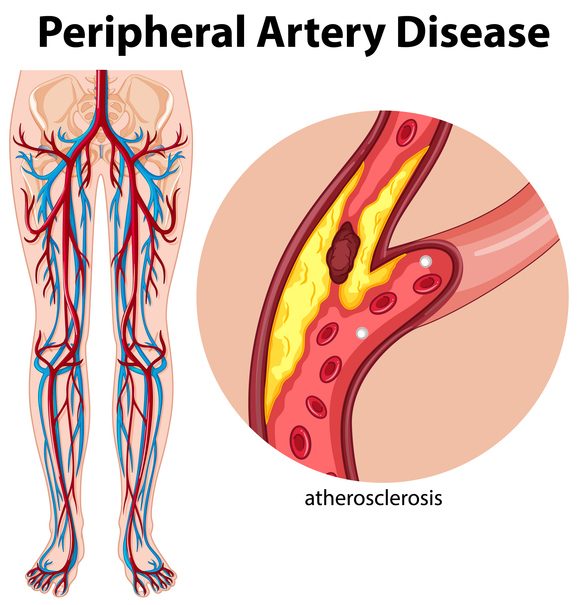
Peripheral Artery Disease is a specific and common type of PVD. It occurs exclusively in the arteries, which are the vessels responsible for carrying oxygen-rich blood away from the heart to the rest of the body. PAD is typically caused by atherosclerosis, a process in which fatty deposits (plaque) build up on the inner walls of the arteries, narrowing the passageways and restricting blood flow to the legs and feet.
What is the Main Difference Between PAD and PVD?
The fundamental difference lies in the scope of the vessels involved. You can think of PVD as the general category and PAD as a specific subset within it. While PVD encompasses issues with veins (like varicose veins or deep vein thrombosis) and lymphatic vessels, PAD refers strictly to the obstruction of blood flow within the arteries. Understanding this distinction is vital because it dictates the specific focus of your clinical treatment plan.
PVD vs. PAD Symptoms
In the early stages, both conditions may remain asymptomatic, but as they progress, the signs become more distinct. Peripheral vascular disease symptoms can include general swelling in the limbs, skin discoloration, or a feeling of heaviness. Conversely, peripheral artery disease symptoms are often characterized by claudication, a specific type of muscle pain or cramping in the legs or hips that occurs during physical activity and subsides with rest. In more advanced cases of PAD, patients may notice coldness in the lower leg or sores on the toes and feet that refuse to heal.
PVD vs. PAD Causes and Risk Factors
The causes of vascular issues are often rooted in lifestyle and genetic factors. PVD can be caused by infections, structural defects, or inflammatory conditions. PAD is primarily driven by atherosclerosis, which is exacerbated by smoking, high cholesterol, diabetes, and hypertension. Age is also a significant factor. Individuals over 50 are at an increased risk of developing arterial narrowing. By identifying these risks early, we can implement preventative strategies to protect your vascular integrity.
Medical Treatment for PAD and PVD
Modern medical treatment for peripheral arterial disease and other vascular conditions focuses on restoring blood flow and reducing the risk of complications like stroke or limb loss. Treatment plans are tailored to the individual and typically begin with conservative management, such as supervised exercise programs, smoking cessation, and medications to manage blood pressure and cholesterol. For more advanced cases, minimally invasive procedures like angioplasty, stenting, or atherectomy can effectively clear blockages and restore vitality to the limbs.
Take the Next Step Toward Vascular Health
If you are experiencing leg pain or have concerns about your circulatory health, it is essential to seek an authoritative evaluation. Our team of specialists is here to provide the professional care and reassurance you need to navigate your diagnosis with confidence. We utilize state-of-the-art diagnostic tools to identify the exact nature of your condition and develop a personalized roadmap for your recovery.
Contact Us for a Consultation
California Vein & Vascular Centers offers comprehensive vein and vascular services. We understand that protecting your circulation is vital for maintaining an active lifestyle. Whether you are seeking information on minimally invasive treatments, looking to understand the signs of atherosclerosis, or interested in lifestyle changes for heart health, our resources are designed to empower you. Don’t wait for symptoms to worsen. Contact us today and let us help you stay on the path to better health.